Electrodiagnostic Testing
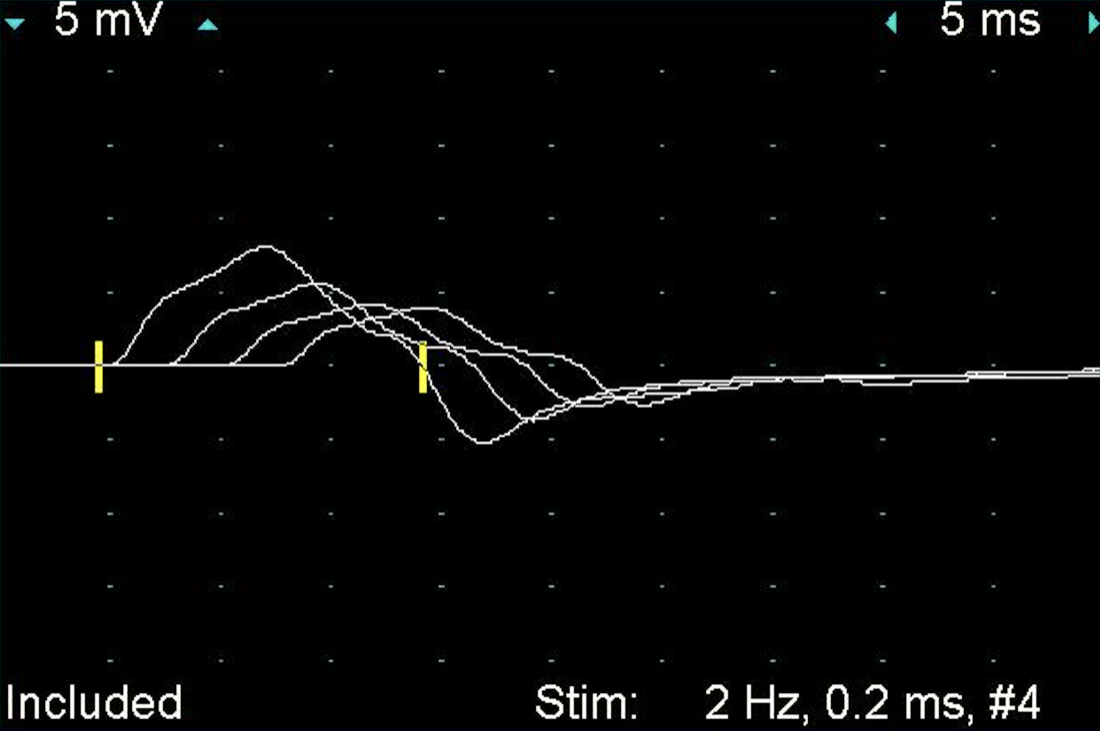
Measuring Nerve Signal Strength & Speed
Nerve conduction studies use a small surface electrode to measure the strength and speed of signals travelling in nerves — a small electrical shock causes a quick, mild tingling feeling as each nerve is tested.
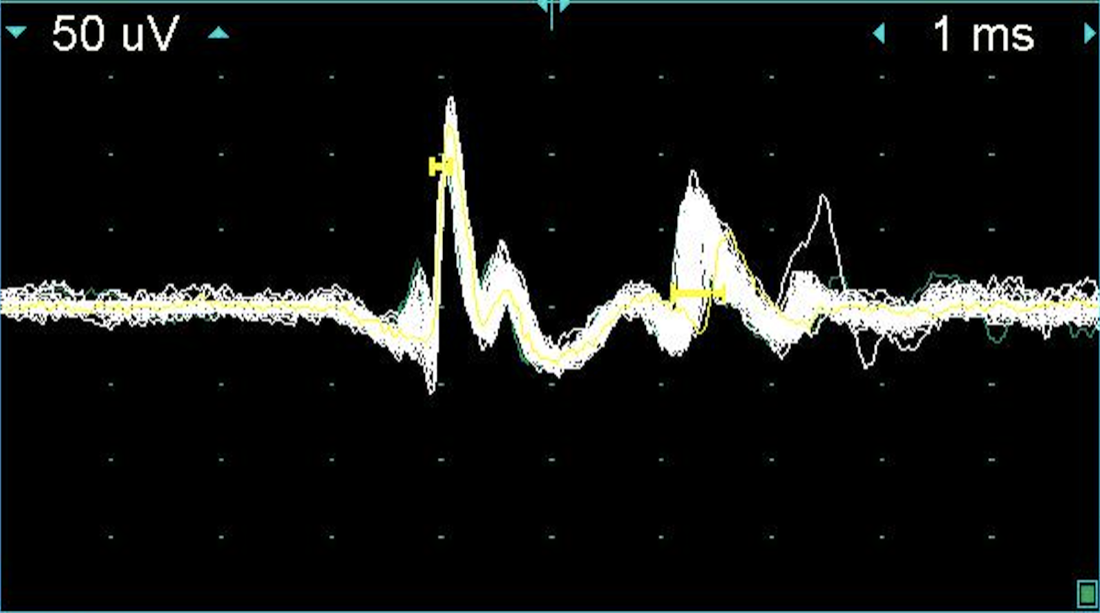
Direct Assessment of Muscle & Nerve Disease
During needle EMG, a fine needle electrode is inserted into muscle to record its electrical activity. Single-fibre EMG uses the same technique to assess diseases of the neuromuscular junction, such as myasthenia gravis. These tests are often requested for symptoms such as tingling, numbness, muscle weakness or fatiguability, cramping, or shooting limb pains.
For further information on these tests, including frequently asked questions (FAQ) and video demonstrations, see the AANEM patient resources.
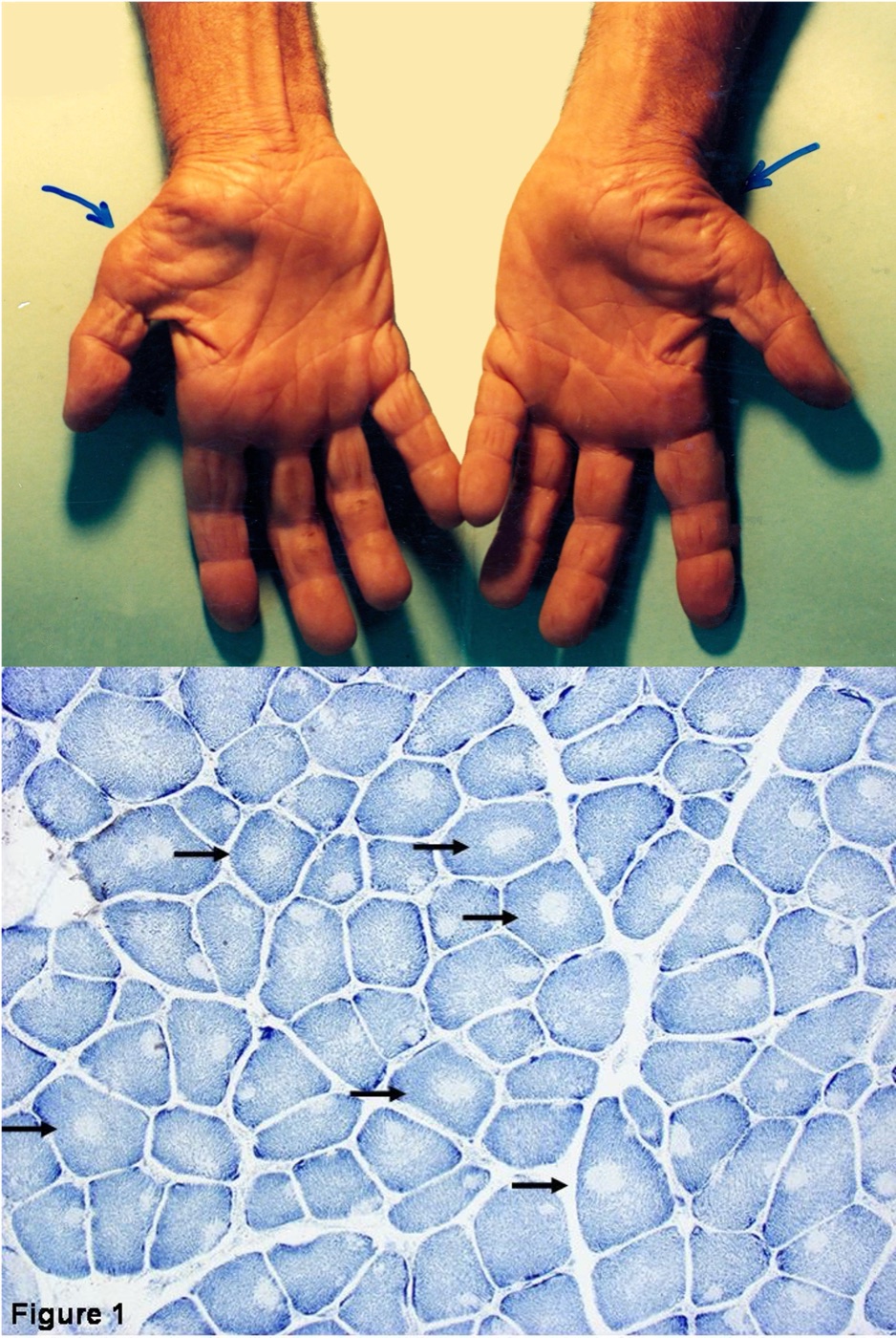
Source: Orphanet Journal of Rare Diseases 2007, 2:25 doi:10.1186/1750-1172-2-25
Nerve and Muscle Disorders
- Nerve entrapment syndromes — including carpal tunnel and ulnar neuropathy
- Peripheral neuropathy — assessment and electrodiagnostic characterisation
- Myopathy — needle EMG assessment of suspected muscle disease
- Myasthenia gravis — including single-fibre EMG where indicated
- Traumatic nerve injury — localisation and severity grading
- General neuromuscular referrals — undiagnosed weakness, numbness or paraesthesia
Frequently Asked Questions
What is a nerve conduction study?
A nerve conduction study uses a small surface electrode to measure the strength and speed of signals travelling in nerves. A small electrical shock causes a quick, mild tingling feeling as each nerve is tested.
What happens during a needle EMG test?
During a needle EMG, a fine needle electrode is inserted into muscle to record its electrical activity. It is used to directly assess disease of muscle and the nerves supplying it, and is often requested for symptoms such as tingling, numbness, muscle weakness or fatiguability, cramping, or shooting limb pains.
What is single-fibre EMG (SFEMG) used for?
Single-fibre EMG uses the same needle technique as standard EMG to assess diseases of the neuromuscular junction, such as myasthenia gravis, with greater sensitivity to subtle transmission abnormalities.
What conditions are assessed with these tests?
Electrodiagnostic testing is used to assess nerve entrapment syndromes (including carpal tunnel and ulnar neuropathy), peripheral neuropathy, myopathy, myasthenia gravis, traumatic nerve injury, and general neuromuscular referrals for undiagnosed weakness, numbness, or paraesthesia.
Do I need a referral?
Yes. This is a referral-only clinical neurophysiology and neurology practice. A referral from a GP or specialist is required, and referrals are accepted via Medical Objects.